Smart people ask why.
Smart isn't knowing all the answers. It's noticing when something doesn't make sense and asking. Every big idea started as somebody's annoying question.
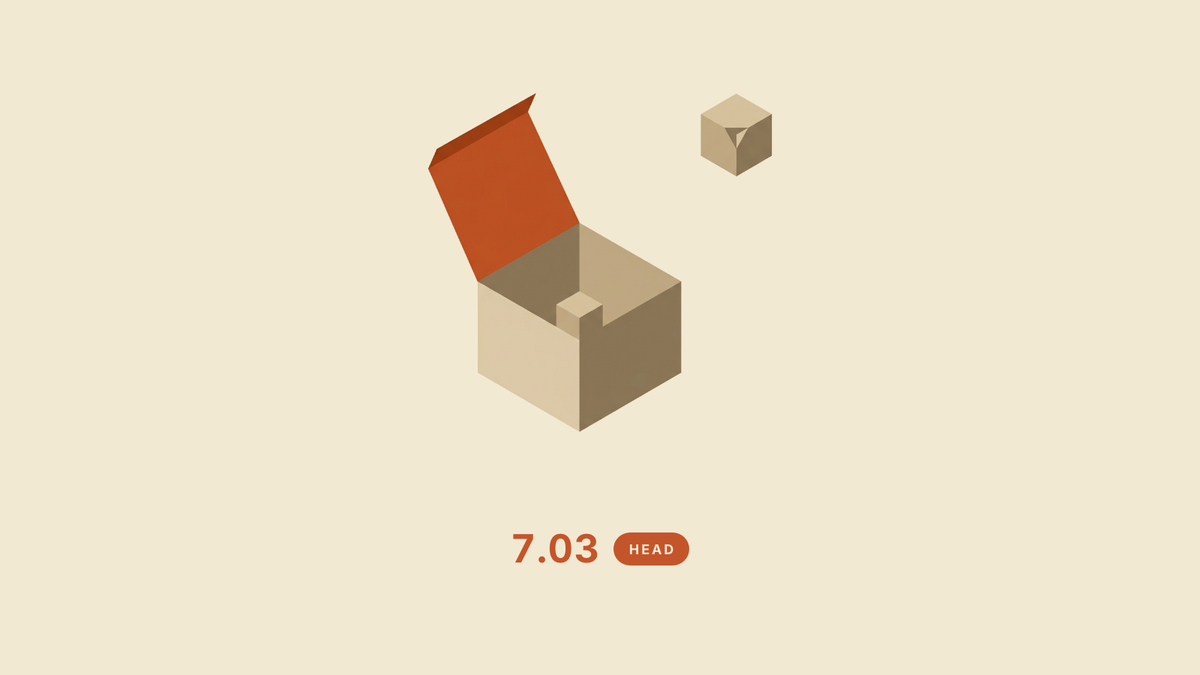
You ask a lot of questions. Why is the sky blue? Why do cats sleep all day? Why can't I have ice cream for breakfast? Some days you ask so many questions that my head starts to spin. Good. Keep going. I want to tell you why your questions are one of the best things about you.
Here's how I think about it. Every question is a box with a lid on it. Inside the box is something you don't know yet. When you ask "why," you lift the lid and take a peek.
Why does my tummy growl like a bear? Lift the lid. Why do leaves turn orange in the fall? Lift the lid. Why do we have to sleep, when there's so much to do? Lift the lid.
Here's what happens when you lift one. Say you ask, "Why is the sky blue?" Someone tells you that sunlight is made of lots of colors mixed together. The blue part bounces around the sky the most, so the sky looks blue. Now you know something most grown-ups forgot. And maybe you have a new question. "Then why are sunsets orange?" Another box. See how it works?
Sometimes you open a box and find another box inside. Then you open that one, and there's another box. That's not a problem. That's the fun part. It's like a present that keeps on going.
Here's a secret about smart people. They don't know everything. Nobody knows everything. Not your teacher. Not the smartest scientist in the world. Definitely not me. Smart people just open more boxes than everybody else. They notice when something doesn't make sense, and they ask about it.
What's a why you've been wondering about lately?
Some kids stop asking questions. They worry they'll look silly. So they sit there and pretend they understand, even when they're totally lost. Imagine sitting in class all year, nodding and nodding, and never knowing what anybody was talking about. Your head would bob like a chicken. That's the silliest thing of all. A question only looks silly for one second. But not knowing can last forever.
Grown-ups do this too. Sometimes a grown-up nods and says "Mm-hmm" when they have no idea what's going on. I've done it. It's a little embarrassing. It's much better to say, "Wait, I don't get it. Can you say that again?"
Here's a trick for school. When your teacher says something you don't understand, raise your hand and ask. I promise you, other kids in the room are wondering the same thing. They'll be glad you asked. You'll be the brave one.
There's a very old story about a father and his son. The father wanted to teach his son something big. So he handed him a fig. A fig is a small, soft fruit, full of tiny seeds.
"Break it open," said the father. "What do you see?"
"Lots of tiny seeds," said the boy.
"Good. Now break one of those seeds open. What do you see now?"
The boy looked and looked. He squinted. He held it up to the light. "Nothing," he said. "There's nothing in there."
"That's right," said his father, smiling. "And from that nothing, a giant tree grows."
The boy looked up at the big fig tree beside them. It had a thick trunk and branches full of birds. Then he looked at the tiny seed in his hand. He couldn't believe it. All of that came from almost nothing.
The boy never stopped breaking things open after that. He kept asking questions his whole life. He grew up to be a great teacher, and people came from far away to ask him things.
Now, I have to tell you about a grown-up trick. Grown-ups have a famous answer that isn't really an answer. It goes like this: "Because I said so." You'll hear it from me sometimes. When you do, it means I'm tired or busy. Or it means I don't know the answer. That's okay. Ask me again tomorrow, and I'll try harder.
And there's one kind of why that doesn't count. "Why do I have to go to bed?" asked forty times in a row is not a question. That's your wanting horse, trying to stay up late. You know the difference.
So keep asking. Ask at school. Ask at dinner. Ask in the car, even when I'm trying to find a parking spot. When I don't know the answer, I'll say, "I don't know. Let's find out." Then we'll open the box together.
You don't have to be the one who knows. You just have to be the one who asks. The knowing comes after.
Smart people ask why.
After reading
At dinner the next night, ask him: "What's one why you wondered about today?" Then share one of your own, like "Why do onions make us cry?" Pick one of the two and look it up together after dinner, in a book, a short video, or by asking someone who knows. Let him do the looking and tell you the answer. All week, when he asks a good why, say, "Good box." When you don't know, say, "I don't know. Let's find out," and then actually find out. That second half is the lesson.
What to watch for
The goal: he asks why about things he notices, and he's comfortable saying "I don't know."
- It's landing when he asks a question about something nobody pointed out to him.
- It's landing when he says "I don't know" at school or at home without looking embarrassed.
- It's landing when he wants to find the answer himself, not just hear it.
- Careful: if "why" becomes a way to stall bedtime or argue every rule, name it kindly: "That's a horse, not a question." Then answer real questions properly.
- Careful: "Because I said so" will come out of you. When it does, come back to the question later. He'll notice that you did.