Look before you let go.
An arrow can't come back once it leaves the bow. Words and choices work the same way. Stop, look, then let go.
Picture a bow and arrow. You pull back the string, way back, until your arm wobbles. You aim at the target. Then you let go. Whoosh. The arrow flies.
Now here's the tricky part. Once the arrow leaves the bow, can you call it back? "Come back, arrow! I changed my mind!" Nope. It's gone. It goes wherever you pointed it, and there's nothing you can do about it.
A lot of things work just like arrows. Words are arrows. Once you say something mean, it's out. It flies across the room and lands on somebody. You can't catch it and stuff it back in your mouth. Grown-ups have tried. We look very silly doing it.
It's like toothpaste. Squeeze it out of the tube, and then try putting it back in. Good luck. Some games have a do-over button, but life mostly doesn't. You'll just end up with toothpaste on your hands, your shirt and probably the dog.
Lots of other things are arrows too. Running into the street without looking is an arrow. Grabbing a toy out of someone's hands is an arrow. Jumping off something really high is an arrow. Throwing a ball inside the house is an arrow. Ask the lamp. Once you go, you're going.
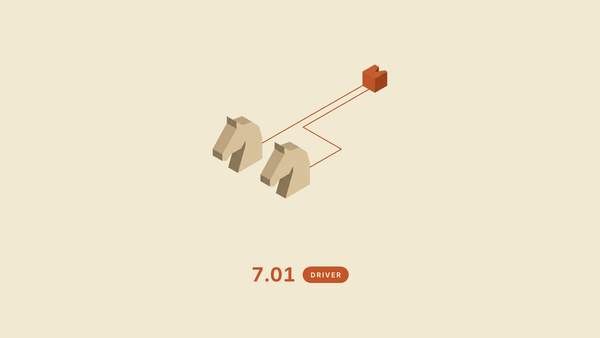
Here's what an arrow looks like at school. Your friend knocks over your tower by accident. Your grumpy horse wants you to shout, "You ruined it!" If you say it, the arrow flies, and your friend's face falls. But if you stop and look first, you might see it was an accident. Then you might say, "Oops. Want to help me build it again?" Same moment. Totally different arrow.
So here's the trick. Before you let go, stop and look. Just for a second. Ask yourself, "Where is this arrow going to land?"
Cats know this trick. Have you ever watched a cat get ready to jump onto a table? It doesn't just jump. It sits. It stares. It wiggles its bottom back and forth. It looks very carefully at where it wants to land. Then it jumps. Cats hardly ever miss, and they are very proud of it. And when a cat skips the looking part? It slides right off the table and pretends it meant to do that.
Chess players know this trick too. Bad chess players grab the first piece they see and move it. Good chess players stop and look at the whole board first. They think, "If I move here, what happens next?" Really bad chess players eat the pieces. Please don't eat the pieces.
Grown-ups do this in the car. Before we change lanes, we look in the mirror, and then we look over our shoulder. Every single time. That little look keeps everybody safe.
Can you think of an arrow you let go too fast this week?
Do you remember the young man with the bow and arrow, from the chariot story? He was the best archer in the whole land. But on the day of the big battle, he didn't shoot right away. He stopped. He asked his friend for help. He looked very carefully at everything before he did anything. Imagine being the best archer in the land, with everybody watching you. It would be easy to shoot fast, just to look brave. But he knew some arrows can't come back. So he waited. He asked. He listened. That's part of why he was the best. Not because he was fast. Because he looked first.
Now I'll tell you a grown-up secret. I've let arrows go too fast. I've said things when I was angry that I wished I could take back. I couldn't. All I could do was say sorry afterward. Sorry helps. But it's much easier to look first.
Stopping to look doesn't mean being slow all the time. When you're playing tag, run! When it's your turn in a game, go! When you want to give someone a hug, don't think about it, just hug. Kind words are arrows too, and so are high fives. You don't need to look before you send those. Fire away. The looking trick is for the big arrows, the ones you can't take back.
Most of your arrows will be fine. But the big ones deserve a look first. One breath. One look. Then let go. One breath is all it takes. It's shorter than a sneeze.
So the next time you feel an arrow in your hand, ready to fly, take one breath. Look at where it's going. If it's a good arrow, let it fly. If it's not, put it down. You're the one holding the bow.
Look before you let go.
After reading
Over the week, play one quick game together that rewards looking first, like tic-tac-toe, checkers or Connect Four. Before each move, either of you can say "Look," and the other has to wait one breath before moving. If he rushes, smile and say "Arrow!" instead of correcting him. Once during the week, tell him about a time you said something too fast, keeping it small and true, like "I snapped at someone when I was tired, and I wished I'd waited." Then ask him, "What could I have done instead?"
What to watch for
The goal: before a big move, he takes one breath and looks first.
- It's landing when he stops at a curb, a jump or a reach without being told.
- It's landing when he catches a mean word halfway out, or says "never mind" instead of finishing it.
- It's landing when he says "Where is this arrow going?" or "Look" on his own.
- Careful: this is not about being cautious about everything. A kid who stops to look before every game of tag is learning fear, not judgment. Keep it to the big arrows.
- Careful: when he does let a big arrow go, the lesson isn't shame. Talk about what happened after, calmly, and what a look first would have changed.