Not every fight is yours.
Some fights are worth having, and most aren't. Before you push back, ask if this one is really yours. Walking away can be the strong move.
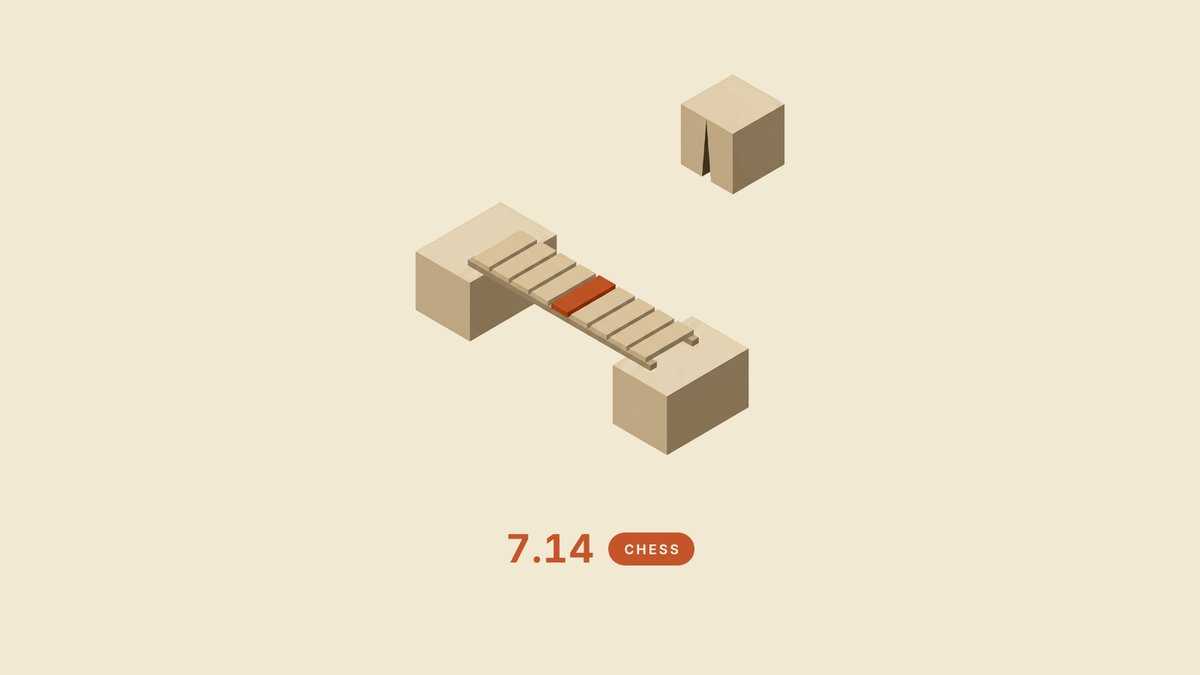
Picture a narrow bridge over a river. It's made of wooden planks. It's so narrow that only one person can cross at a time. Below it, the river goes rush, rush, rush. It's cold and fast and very wet.
Now picture two people walking onto that bridge from opposite ends. They meet in the middle. There isn't room for both. So what happens next?
One of them could step back and let the other one go first. Then they'd both get across. Or they could both stand there and push. "You move!" "No, YOU move!" And then, sooner or later, splash. Both of them end up in the river.
Every day, you walk onto little bridges like that. Someone wants the same thing you want. Someone says something annoying. Someone pushes in front of you in line. And right then, you have to decide. Do I push? Or do I step back?
Here's a secret that takes most people a long time to learn. Not every fight is yours.
Say a kid tells you the sky is green. You know it's blue. You could argue about it all through recess. "It's green!" "It's blue!" "Green!" "Blue!" Then recess is over, and you didn't even play. And guess what? The sky is still blue. You could just say, "Okay!" and go play tag instead.
Or say someone says, "My dog is better than your dog." You could fight about it. Or you could say, "Your dog sounds great," and go on with your day. Your dog doesn't care. Your dog is busy chasing its own tail.
Lots of fights are like that. They're about nothing. They're about who goes first, or who's right about something silly. Nobody wins them. Everybody just gets wet.
So before you push, ask yourself one question. Is this fight mine? If it's a fight about nothing, you can step back. Walking away isn't losing. Walking away can be the strong move. It takes more strength to step back than to push.
But here's the other side of it. Some fights are yours. If someone is being hurt, that fight is yours. If someone is being mean to a kid who's smaller, that fight is yours. If something is really unfair, that fight is yours too. You don't have to fix it alone. You can get me, or a teacher. But you don't walk away from those. Those are the fights worth having.
Can you think of a fight that wasn't really yours?
Here's a grown-up secret. Grown-ups fight about silly things too. Some grown-ups argue about toilet paper. Should the paper hang over the top of the roll, or under it? People have been fighting about that for about a hundred years. Nobody has won. When I catch myself in a fight like that, I ask the question. Is this fight mine? Usually, it isn't. And I step back.
Stepping back doesn't mean you let people be mean to you. It doesn't mean you never say what you think. You can still say, "I don't like that." You can still say, "Please stop." It just means you pick your fights. You save your strength for the ones that matter.
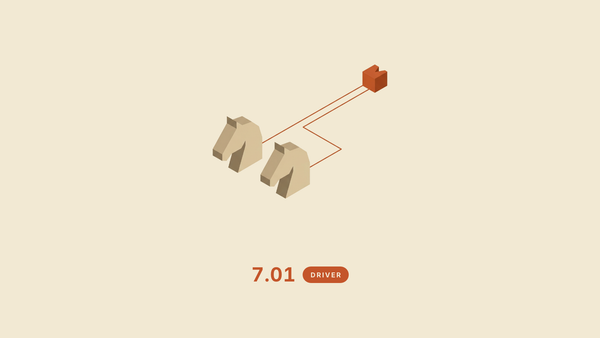
There's a very old story about two goats. One day, a white goat and a black goat came to a narrow bridge over a river. The white goat started across from one side. The black goat started across from the other side. They met right in the middle.
"Move," said the white goat. "I was here first."
"No, you move," said the black goat. "I'm bigger."
"I'm not moving."
"Well, I'm not moving either!"
So they put their heads down. Clonk! Their horns banged together. They pushed and pushed. Clonk! Clonk! And the bridge wobbled. And wobbled. And then... splash! Both goats fell into the river. They came up dripping and grumpy. "Baaaa," they said. Which, in goat, means "That was a terrible idea."
But here's the other half of the story. A few days later, two different goats came to the same bridge. They met in the middle too. One goat looked at the other goat. Then it looked at the river. Then it said, "I'll lie down. You step over me."
So the first goat lay down flat on the planks. The second goat stepped carefully over its back. Then they both walked on, dry and happy. The second goat even said thank you.
Which goat was the strongest? Not the ones who pushed. The strongest goat was the one who lay down. That goat knew that this fight wasn't worth a swim.
That's the kind of person I hope you'll be. Strong enough to stand up when it matters. And strong enough to step back when it doesn't. Before you put your horns down, take a breath, and ask the question.
Not every fight is yours.
After reading
At bedtime, ask him: "Can you think of a fight that wasn't really yours?" Go first with something small and true, like "I argued with someone about the best way to get to the shops. It didn't matter at all. We both got there." If he's stuck, help him: "What about who goes first, or who's right about something silly?" Then ask the other side: "What's a fight that would be yours?" For the rest of the week, when he's about to dig in over something small, ask the kid line quietly: "Is this fight mine?" When he stands up for someone, tell him that was a fight worth having.
What to watch for
The goal: he can let go of small arguments, and still speak up when someone is being hurt.
- It's landing when he walks away from a silly argument and goes back to playing.
- It's landing when he asks "Is this fight mine?" out loud.
- It's landing when he tells you about someone being treated unfairly and asks what to do.
- Careful: this isn't "always back down". If he starts letting other kids take things or push him around, bring it back: he can say "Please stop" and come to you or a teacher.
- Careful: don't use the kid line to win your own arguments with him. It's a question he asks himself.